
Car Software
Featured Story
Clear-eyed analysis of autonomy, software-defined vehicles, semiconductors, and charging infrastructure — explaining what actually scales, who wins, and why it matters for the future of mobility.
Latest Posts

This week’s key developments in automotive operating systems, over-the-air update capabilities, and cockpit technology. What matters for software-defined vehicles.

U.S. EV charging networks are expanding, but reliability, user experience, and operational consistency remain critical bottlenecks before mass adoption can accelerate.

Carmakers are aggressively pushing software subscriptions for features once included in the purchase price, but consumer willingness to pay recurring fees for car functionality remains a major uncertainty.

This week’s key developments in automotive semiconductors, from new design wins to supply chain shifts and technology announcements. What actually matters for the industry.

Demo videos of autonomous driving technology often look impressive, but they can mislead observers about real deployment readiness and scalability.

NACS is rapidly becoming the dominant charging standard in North America, but operators now face growing challenges around station compatibility, power delivery, and long-term network management.

Battery preconditioning is emerging as a quiet competitive advantage in EV fast charging, yet most buyers experience its benefits without realizing the engineering behind it.

Qualcomm, Nvidia, and Mobileye are battling for dominance in automotive compute platforms, but each brings different strengths, business models, and relationships with automakers.
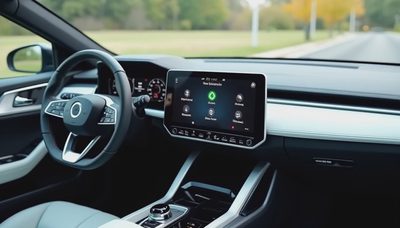
Google’s Android Automotive OS is expanding rapidly across brands, but automakers are pushing to retain control over the user experience and long-term software strategy.

As autonomous systems advance, a credible safety case requires far more than low disengagement rates — it demands rigorous, transparent validation grounded in real-world deployment constraints.

Carmakers tout high-margin software revenue, but real-world execution, customer adoption, and long-term support costs often tell a more complicated story.
Demo videos of autonomous driving technology often look impressive, but they can mislead observers about real deployment readiness and scalability.

As autonomous systems advance, a credible safety case requires far more than low disengagement rates — it demands rigorous, transparent validation grounded in real-world deployment constraints.

Tesla, Waymo, and Mobileye pursue distinct autonomy strategies targeting different timelines, use cases, and business models. Direct comparisons often obscure more than they reveal.

Waymo continues expanding its autonomous ride-hailing operations, but the gap between geographic growth and sustainable cost-per-mile economics remains the central challenge for robotaxi viability.

TorqueBrief launches with a clear focus: automotive technology coverage that prioritizes real deployment constraints, scalability questions, and business consequences over launch-day hype and demo videos.

Tired of scratched lenses and messy consoles? The Yuoyar magnetic leather holder is a clean, strong, and surprisingly thoughtful fix for cars without a glasses compartment.

This week’s key developments in automotive operating systems, over-the-air update capabilities, and cockpit technology. What matters for software-defined vehicles.

Google’s Android Automotive OS is expanding rapidly across brands, but automakers are pushing to retain control over the user experience and long-term software strategy.

General Motors is pushing hard into software-defined vehicles and recurring revenue, but its success depends on more than infotainment updates and dashboard interfaces.

Software-defined vehicles promise recurring revenue and faster innovation through over-the-air updates, but the gap between marketing language and actual architectural reality remains wide for most automakers.
U.S. EV charging networks are expanding, but reliability, user experience, and operational consistency remain critical bottlenecks before mass adoption can accelerate.

NACS is rapidly becoming the dominant charging standard in North America, but operators now face growing challenges around station compatibility, power delivery, and long-term network management.

Battery preconditioning is emerging as a quiet competitive advantage in EV fast charging, yet most buyers experience its benefits without realizing the engineering behind it.

The U.S. is adding more fast chargers, but uptime, consistency, and real-world user experience remain bigger barriers to EV adoption than total station numbers.
This week’s key developments in automotive semiconductors, from new design wins to supply chain shifts and technology announcements. What actually matters for the industry.

Qualcomm, Nvidia, and Mobileye are battling for dominance in automotive compute platforms, but each brings different strengths, business models, and relationships with automakers.

The automotive semiconductor shortage has eased, yet structural vulnerabilities in the supply chain and risk management practices remain largely unaddressed.

Nvidia dominates automotive AI chip headlines with impressive design wins, but revenue timing, competition, and automaker efforts to diversify create a more complex picture than the headlines suggest.
Carmakers are aggressively pushing software subscriptions for features once included in the purchase price, but consumer willingness to pay recurring fees for car functionality remains a major uncertainty.

Carmakers tout high-margin software revenue, but real-world execution, customer adoption, and long-term support costs often tell a more complicated story.

Carmakers are packing vehicles with larger screens, advanced sensors, and powerful compute units, but the rising complexity and long-term support costs may pressure margins more than many realize.
Get weekly curated stories delivered to your inbox. Quality reads, no spam.