Weekly Brief: The Most Important Moves in Automotive OS, OTA, and Cockpit Tech
The car software landscape continues to evolve rapidly as automakers push toward software-defined vehicles. Here are the most significant developments from the past week in operating systems, OTA infrastructure, and cockpit experiences.
1. Android Automotive Expansion
Google’s platform gained additional design wins for next-generation models. Automakers continue adopting it for its mature ecosystem while layering custom interfaces to maintain brand control.
2. OTA Update Scope Broadening
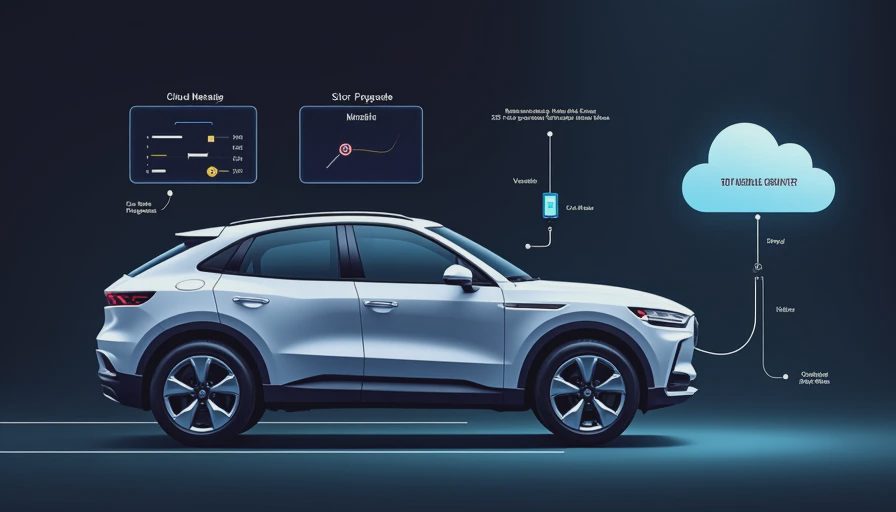
Several manufacturers reported progress on expanding OTA capabilities beyond infotainment into more safety-critical and powertrain-related systems. This expansion increases both opportunity and liability.
3. Cockpit Integration Trends
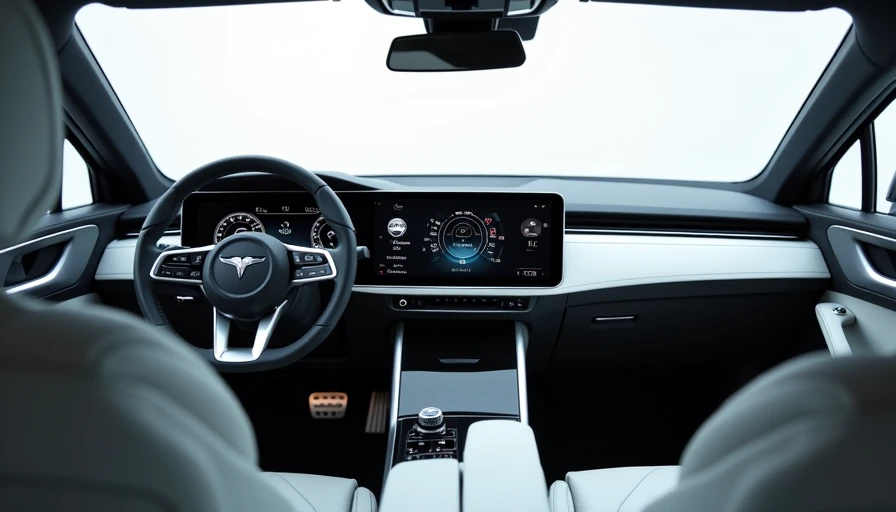
New cockpit designs show tighter integration between digital clusters, heads-up displays, and central infotainment. The goal is a more seamless driver experience, though complexity management remains challenging.
4. Subscription Feature Rollouts
Multiple brands introduced or expanded paid software features via OTA. Adoption rates and customer feedback will be important indicators of long-term viability for recurring revenue strategies.
5. Operating System Fragmentation
While Android Automotive gains share, several automakers continue investing in proprietary or hybrid OS approaches to retain greater control over data and user experience.
6. Cybersecurity and OTA Security Updates
New standards and testing protocols for OTA security gained attention. As update frequency increases, robust protection against remote attacks becomes non-negotiable.
7. Voice and AI Assistant Progress
Enhanced voice interfaces and in-cabin AI assistants are becoming more common. The gap between demonstration capability and reliable daily use in noisy environments remains a key area of focus.
8. Zonal Architecture Support
Software platforms are being updated to better support emerging zonal controller hardware, enabling more flexible feature deployment and reduced wiring complexity.
9. Long-Term Support Commitments
Automakers are making stronger public statements about software update support timelines, with some extending guarantees to 10 years or more for new platforms.
10. Cross-Platform Development Tools
New tools and partnerships aim to help developers write once and deploy across different vehicle hardware configurations — a critical need as software complexity grows.
What It Means for the Industry
These developments reflect the industry’s dual challenge: accelerating software capability while maintaining control, reliability, and profitability. The move toward more powerful cockpit systems and broader OTA scope is clear, but execution risks around complexity, customer acceptance of subscriptions, and long-term support costs remain significant.
For automakers, success will depend on balancing speed of innovation with operational robustness. Suppliers and technology partners that can deliver flexible, secure, and maintainable platforms hold strong positions.
The hardware story and the margin story are not the same. Impressive cockpit demos and frequent OTA updates only create lasting value if they are delivered reliably and at sustainable cost.
We will continue providing weekly briefings on the most important moves in automotive software, focusing on execution realities rather than announcements.