Automakers Want Subscription Revenue. Drivers Are Still Deciding Whether They Want Subscription Cars
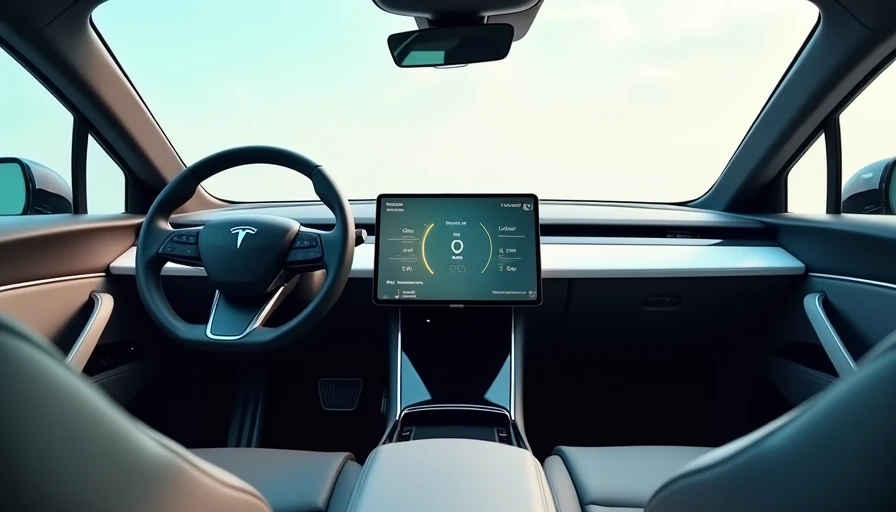
Recurring software revenue has become a central pillar of many automakers’ long-term profitability strategies. With hardware margins under pressure from electrification and rising component costs, subscriptions for advanced driver assistance, premium connectivity, heated seats, or enhanced performance modes are seen as an attractive path to higher lifetime vehicle value.
Yet the industry is discovering that shifting consumers from one-time purchases to ongoing payments for car features is more challenging than anticipated.
The Business Case for Subscriptions
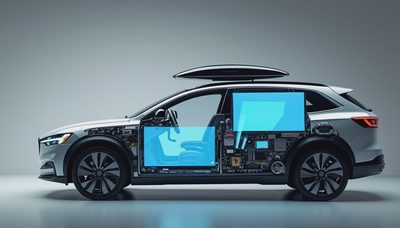
From an automaker perspective, the logic is clear. Software features can be delivered over-the-air with relatively low marginal cost. Once the platform infrastructure is built, each new subscriber contributes nearly pure margin. This model also aligns well with software-defined vehicle ambitions and creates more predictable revenue streams.
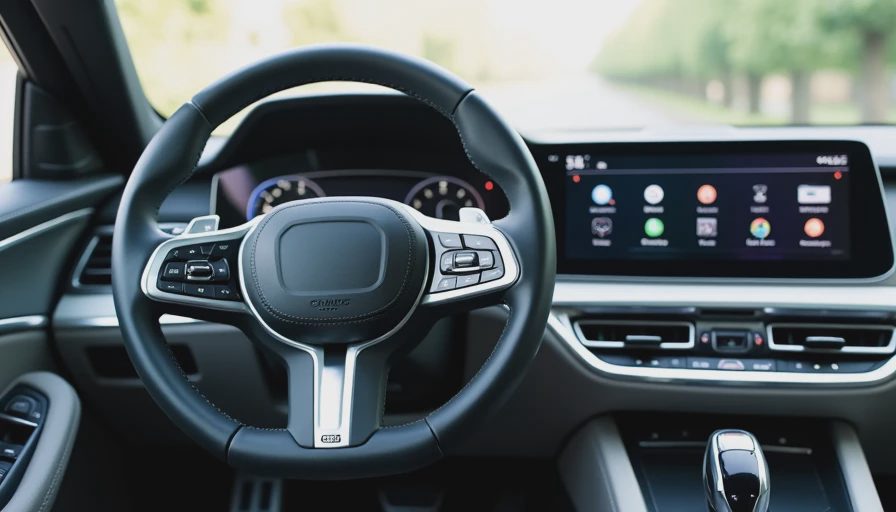
Several manufacturers have rolled out subscription offerings for everything from adaptive cruise control to premium audio enhancements and autonomous driving capabilities. Early results show some uptake, particularly among luxury buyers, but mass-market adoption has been slower.
Consumer Resistance Points
Many drivers still view certain features as something they already “bought” when purchasing the vehicle. The idea of paying monthly or annually to unlock functionality that exists in the hardware creates friction. Range anxiety, charging inconvenience, and general ownership costs already weigh on EV buyers — adding subscription fatigue makes the proposition even harder.
Key factors influencing driver decisions include:
Perceived value versus cost of each subscription
Transparency around what happens if the subscription lapses
Comparison with competitors who may include features as standard
Overall trust in the automaker’s software reliability
The transition from ownership to “access” mirrors challenges seen in other industries, but cars carry uniquely high emotional and financial stakes.
Execution and Pricing Challenges
Automakers must balance aggressive subscription targets with sustainable pricing that doesn’t alienate customers. Pricing too high reduces adoption; pricing too low fails to move the margin needle meaningfully. There is also the risk of degrading the base vehicle experience to push customers toward paid upgrades.
Long-term support adds another layer of complexity. Vehicles are expected to last 10–15 years or more. Maintaining subscription systems, servers, and compatibility across aging hardware fleets creates ongoing costs that can erode the attractive margins shown in investor presentations.
Broader Industry Implications
This shift affects residual values, leasing economics, and used car markets. A vehicle with multiple active subscriptions may hold value differently than one where features are permanently unlocked. It also changes the relationship between dealers, customers, and manufacturers.
The hardware story and the margin story are not the same. While subscriptions promise higher lifetime revenue, they require excellent execution, strong brand trust, and genuine perceived value to succeed at scale.
What to Watch
Industry observers should track:
Actual subscription attachment rates and churn
Customer feedback on specific feature pricing
How competitors differentiate through bundling or standard inclusions
Regulatory scrutiny around post-sale feature monetization
These metrics will reveal whether the industry can successfully retrain consumer expectations around car ownership.
The Practical Question
Automakers clearly want — and need — subscription revenue to support software ambitions and overall profitability. However, drivers are still evaluating whether they want to own a car that requires ongoing subscriptions for full functionality. The winners will be those who deliver enough genuine value that customers willingly pay, rather than feeling nickel-and-dimed after purchase.
This tension between manufacturer desires and consumer preferences will shape software strategy and competitive positioning for years to come.
Auto Stack Report will continue monitoring how this subscription transition plays out across different brands and market segments.