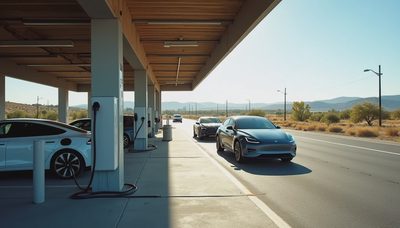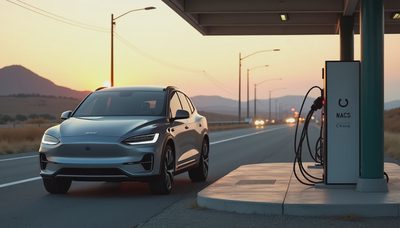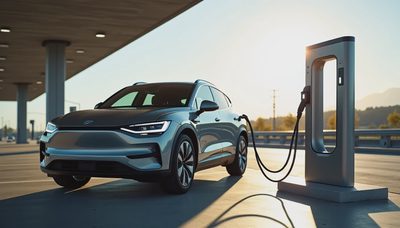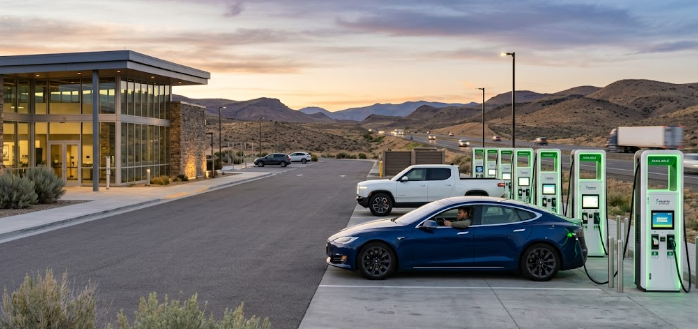
Why Public Fast-Charging Reliability Matters More Than Charger Count
The narrative around EV charging infrastructure often focuses on the race to install more plugs. Governments and companies regularly announce ambitious targets for new fast-charging stations. While expanding the network is necessary, experienced users and industry analysts increasingly recognize that reliability and consistency at existing stations matter more for mass adoption.
The Gap Between Deployment Numbers and User Experience
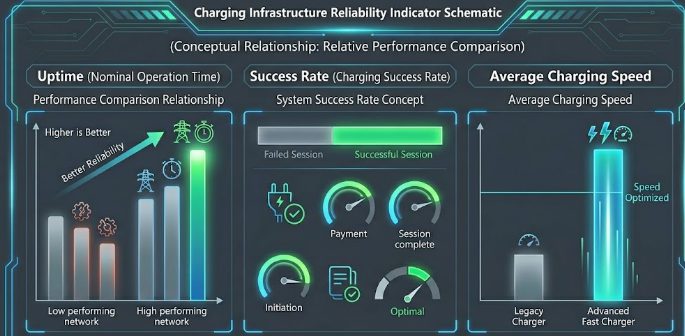
Public fast-charging networks have grown significantly in recent years. However, drivers still frequently encounter broken connectors, stations offline due to maintenance issues, power limitations during peak hours, or incompatible payment systems. These problems create friction that undermines confidence, especially for owners without convenient home charging.
Unlike home chargers that typically deliver predictable performance, public DC fast chargers operate in harsher conditions: high utilization, variable temperatures, frequent starts and stops, and complex backend integration with utility grids.
Key reliability challenges include:
Hardware failures and slow repair times
Software glitches and network connectivity issues
Inconsistent power delivery below advertised speeds
Poor station maintenance and cleanliness
These factors turn what should be a 20-30 minute charging stop into a stressful, unpredictable experience.
Why Reliability Is a Competitive Advantage
Automakers and charging operators who solve uptime and consistency will gain meaningful differentiation. Battery preconditioning, for example, is becoming a quiet competitive edge — vehicles that effectively prepare their batteries can charge faster when they reach a working stall. But preconditioning only helps if the charger itself is operational and delivering promised power.
Operators with higher reliability can command better utilization rates and customer loyalty. This matters for unit economics: a charger that is offline 20-30% of the time represents wasted capital and lost revenue. In contrast, highly reliable stations achieve better throughput and stronger returns.
Infrastructure and Grid Realities
Many new stations are being added, yet integration with the electrical grid remains complex. Utility approvals, transformer capacity, and demand charges can delay deployments or limit simultaneous charging sessions. In some regions, stations frequently throttle power during high grid demand, reducing the benefit of 150kW or 350kW chargers.
This highlights a broader truth in charging infrastructure: the hardware story and the operational story are not the same. Installing plugs is visible and easy to announce. Maintaining high uptime across thousands of stations in varied locations is significantly harder.
Implications for Automakers and Drivers
For automakers, unreliable public charging slows EV sales momentum, particularly in segments without easy home charging access. It also affects residual values and customer satisfaction scores. This pushes some manufacturers toward proprietary or semi-proprietary networks, or deeper partnerships with reliable operators.
For drivers, especially those in apartments or with limited home charging, reliability directly impacts daily usability. Range anxiety has partially shifted from “how far can I go” to “can I reliably charge when I need to.”
What to Watch Going Forward
Industry participants should track metrics beyond stall counts:
Uptime percentages reported by independent monitors
Average session success rates
Time-to-repair for failed stations
Actual delivered kWh versus advertised speeds
Standards like NACS adoption may simplify the user interface, but they do not automatically solve backend reliability or grid constraints. Operators that combine high uptime with seamless payment and good physical station conditions will likely pull ahead.
The Real Question
Adding more chargers is essential infrastructure work. However, the practical barrier to broader EV adoption is not just the absolute number of plugs — it is whether drivers can trust them to work when needed. Reliability at scale will ultimately determine which networks succeed and which become expensive underutilized assets.
Auto Stack Report will continue monitoring charging infrastructure through the lens of real-world performance and economics rather than headline deployment numbers. Progress on reliability will be one of the more important signals in the coming years.