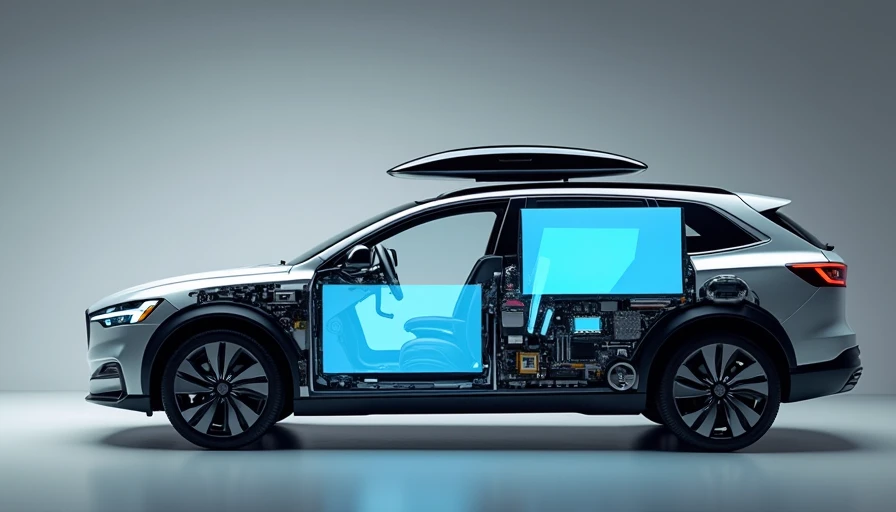
The Hidden Cost of Adding More Screens, Sensors, and Compute to Every New Vehicle
New vehicles are increasingly defined by their digital features. Larger infotainment screens, multiple driver displays, camera-based mirror replacements, advanced driver assistance sensors, and centralized computing platforms have become standard on many new models. While these additions create impressive showroom demonstrations, they also introduce significant cost layers that extend far beyond the initial bill of materials.
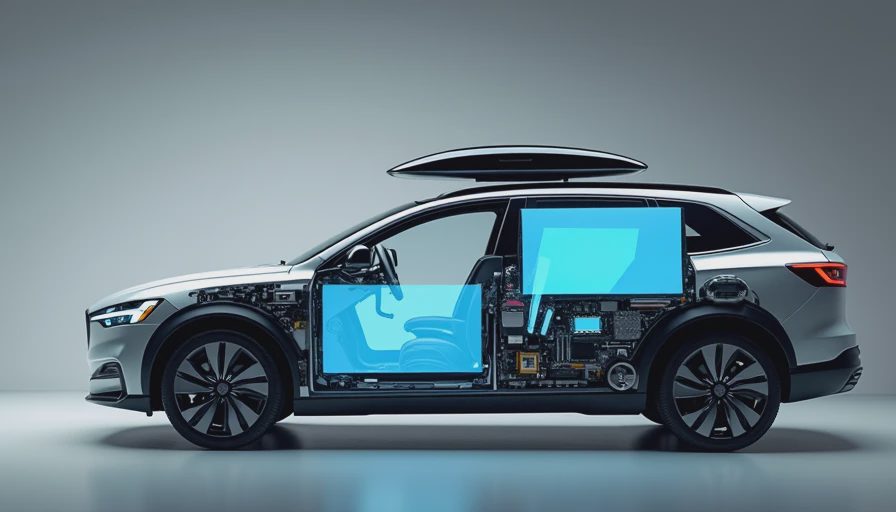
The Visible and Invisible Cost Layers
On the surface, the math seems straightforward: a larger screen or additional sensor adds a few hundred dollars per vehicle. In reality, the total cost of ownership for these components is much higher when viewed across the full vehicle lifecycle.
Every additional sensor or high-performance compute unit increases:
Power consumption and thermal management requirements
Wiring harness complexity and weight
Software development and validation effort
Long-term OTA update and cybersecurity obligations
Spare parts inventory and service training demands
These factors compound quickly when multiplied across hundreds of thousands of vehicles produced annually.
Complexity and Margin Pressure
Modern vehicles now contain far more lines of code and electronic control units than earlier generations. While software-defined vehicle ambitions promise recurring revenue, the upfront engineering investment and ongoing support burden can erode platform margins if not carefully managed.
High-end compute platforms capable of running sophisticated autonomy features or rich infotainment experiences carry substantial per-unit costs. When these are deployed across volume segments rather than just luxury trims, the economics become more challenging. Automakers must balance feature differentiation with the reality that many buyers remain highly price-sensitive.
Key cost drivers include:
Semiconductor content per vehicle continuing to rise
Extended warranty and over-the-air support commitments (often 8–10+ years)
Increased validation and certification expenses for safety-critical systems
Higher scrap and rework rates during manufacturing due to greater complexity
Supply Chain and Scalability Questions
The push for more sensors and compute also amplifies supply chain risks. The industry learned during the chip shortage how vulnerable centralized dependence on advanced semiconductors can be. Adding more high-value components to every vehicle increases exposure to future disruptions, whether from geopolitical tensions, foundry capacity limits, or raw material constraints.
Furthermore, more complex electronics raise repair costs for consumers and insurers. A vehicle with multiple cameras, radars, and large integrated displays is significantly more expensive to repair after a minor collision than a simpler design. This affects insurance premiums and residual values — indirect costs that influence total ownership economics.
The Software-Defined Trade-off
Carmakers hope that increased software content will offset hardware costs through subscriptions and paid features. However, delivering reliable software experiences across diverse hardware configurations remains difficult. The margin benefit only materializes if update infrastructure is robust and customers are willing to pay for ongoing enhancements.
The hardware story and the margin story are not the same. Heavy investment in screens, sensors, and compute can enhance perceived value, but only if those investments translate into features customers actually use and are willing to pay for over time.
What Industry Observers Should Track
For professionals following automotive technology, the critical metrics extend beyond feature checklists:
Per-vehicle semiconductor and electronics content growth versus average selling price
Warranty claims rates related to electronic systems
Development cost allocation between hardware and software teams
Actual uptake rates of subscription features
These numbers reveal whether the industry is successfully monetizing complexity or simply adding cost faster than revenue.
The Practical Question
Adding more digital features and sensors makes vehicles more capable and potentially more profitable per unit — but only if complexity is mastered and costs are controlled. Many automakers are betting heavily on this direction. The risk is that without strong execution on software monetization and long-term reliability, these additions become expensive differentiators that compress rather than expand margins.
Auto Stack Report will continue examining these cost curve dynamics as the industry navigates the tension between feature competition and economic sustainability. The winners will likely be those who add capability without letting complexity undermine profitability.