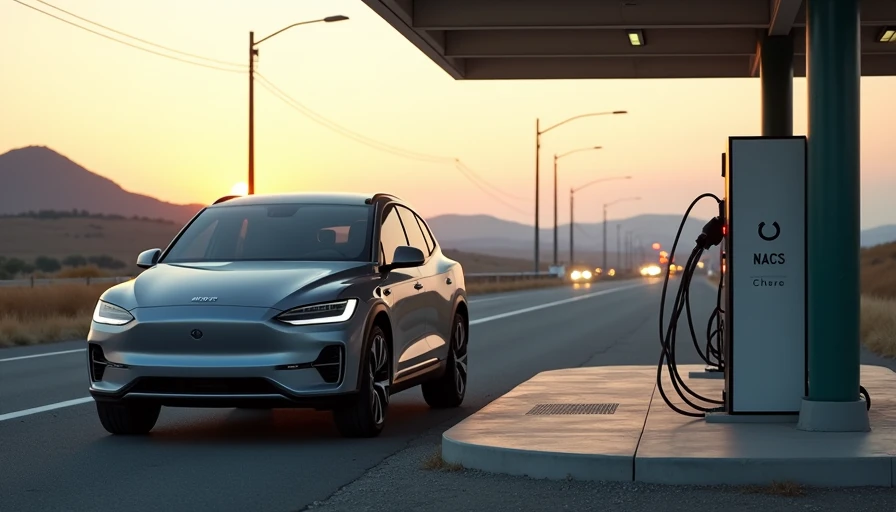
NACS, North America Charging Standard, formerly known as Tesla’s proprietary connector, continues its swift transition into the industry standard. Major automakers have committed to adopting it, and charging operators are updating their networks accordingly. While the unified plug solves one major user friction point, it introduces a new wave of operational complexities for station owners and network providers.
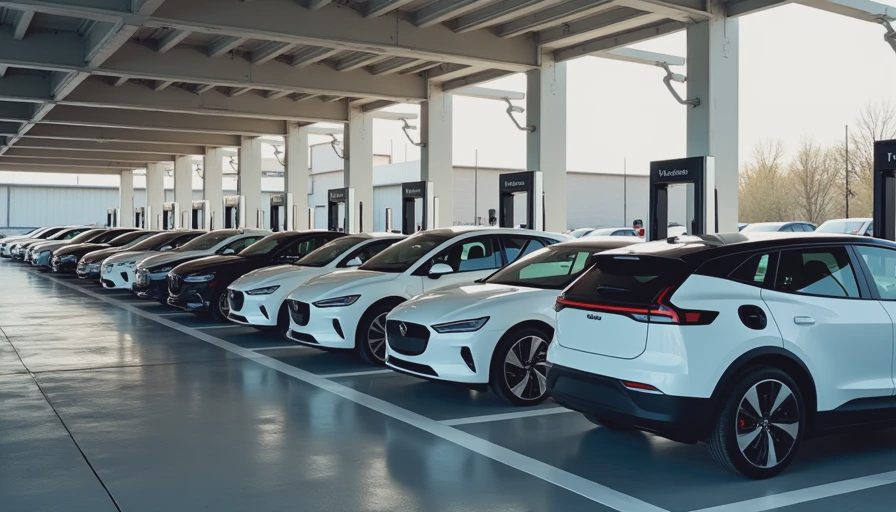
The Speed of Standardization
The shift toward NACS has happened faster than many expected. Legacy CCS stations are being retrofitted or replaced, and new deployments increasingly default to the standard. For drivers, this means simpler plug-and-charge experiences and reduced adapter dependency.
However, standardization at the connector level is only one piece of the infrastructure puzzle. The real work begins after the plug fits.
Emerging Operational Challenges
Charging networks must now handle higher and more variable power demands across a wider range of vehicles. Different battery architectures and preconditioning capabilities mean stations need smarter power management systems to avoid overloading or under-delivering.
Key operational issues include:
Managing power allocation across mixed connector types during the transition period
Ensuring consistent high-speed charging performance as more vehicles with varying battery sizes use the network
Updating backend software and billing systems for seamless multi-brand compatibility
Coordinating maintenance across larger, more complex station installations
These challenges become more pronounced as utilization rates rise and networks scale beyond early adopter fleets.
Infrastructure and Grid Implications
NACS adoption accelerates overall network growth, but it does not automatically solve grid connection constraints or local utility capacity limits. Many stations still face demand charges and transformer bottlenecks that affect reliability during peak hours.
Operators who invested early in Tesla’s ecosystem may have advantages in software integration, while others must retrofit existing CCS hardware. This creates uneven performance across different charging brands and locations.
The hardware story and the operational story are not the same. A universal connector improves user convenience significantly, yet the behind-the-scenes systems required for reliable, profitable operation remain highly complex.
What This Means for Drivers and Automakers
For drivers, faster standardization should reduce range anxiety and improve the overall charging experience over time. For automakers, NACS alignment simplifies vehicle design and potentially lowers costs by reducing the need for multiple connector variants.
However, both groups still depend on charging operators to deliver consistent uptime and power delivery. The consumer perception of EVs will increasingly hinge on whether public charging works reliably day after day, not just whether the plug fits.
What to Watch Going Forward
Industry participants should pay close attention to:
How quickly operators complete full NACS transitions at individual stations
Improvements in station uptime and session success rates
Real-world charging speed consistency across different vehicle brands
How new entrants and established networks handle increased complexity
These practical metrics will determine whether NACS delivers on its promise of a better charging ecosystem.
The Practical Question
NACS adoption is solving the connector fragmentation problem effectively. The next and harder phase involves turning standardized hardware into reliable, well-managed charging networks at scale. Operators who excel at the operational side — power management, maintenance, and user experience — will likely emerge as the long-term winners.
Auto Stack Report will continue tracking charging infrastructure with emphasis on real-world performance rather than adoption announcements alone.