Battery Preconditioning Could Become the Feature Buyers Notice Without Understanding
Battery preconditioning is one of the more important yet under-appreciated technologies in modern electric vehicles. When it works well, drivers simply plug in and charge at maximum speed. When it doesn’t, charging sessions become slower and less predictable. This seemingly technical feature is becoming a meaningful point of differentiation among EV makers.
How Preconditioning Actually Works
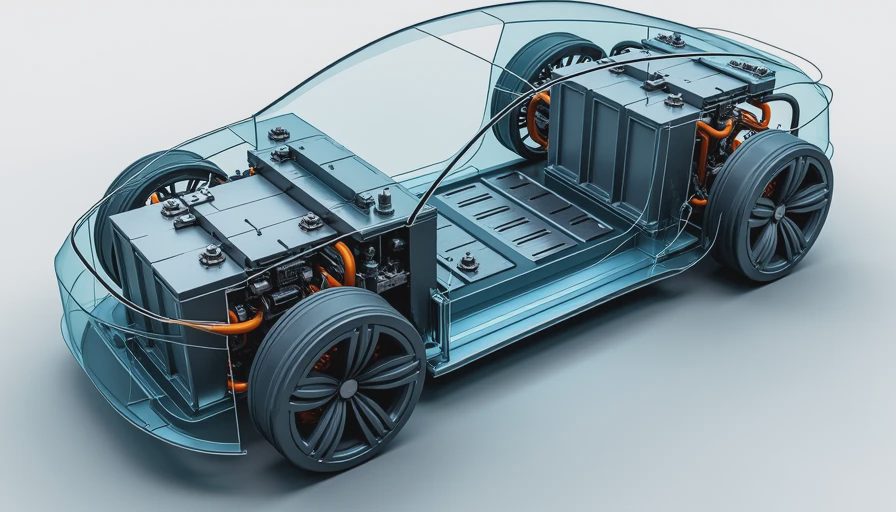
Preconditioning actively manages battery temperature before a charging session begins. By warming or cooling the battery pack to an optimal range, the vehicle can accept higher power levels safely and efficiently. This process typically starts when the navigation system detects the driver is heading toward a fast charger.
The difference is noticeable in real-world use. A properly preconditioned battery can accept peak charging rates almost immediately, while a cold or hot battery may throttle power significantly to protect cell health.
Why It Matters for User Experience
For everyday drivers, preconditioning reduces frustration at public charging stations. It helps minimize time spent waiting for the charger and makes long-distance travel more practical. Drivers often attribute fast charging performance to the vehicle’s overall capability or the charger itself, rarely recognizing the sophisticated thermal management system working in the background.
This invisible advantage becomes especially important during winter months or in hot climates, where temperature extremes can dramatically impact charging speeds without proper preconditioning.
Competitive Dynamics
Automakers investing in advanced thermal systems and intelligent preconditioning logic are creating a noticeable edge. Better preconditioning not only improves peak charging curves but also helps preserve long-term battery health by reducing stress during high-power sessions.
However, effective preconditioning requires tight integration between the vehicle’s navigation, battery management system, thermal controls, and sometimes cloud-based route planning. Not all manufacturers have reached the same level of refinement.
Key engineering challenges include:
Accurate prediction of charging stops
Efficient use of energy for heating or cooling
Balancing preconditioning speed with overall vehicle range
Maintaining performance across different battery chemistries
Operational and Business Implications
For charging network operators, vehicles with strong preconditioning capabilities can make better use of high-power chargers, improving station utilization and throughput. For automakers, superior preconditioning supports marketing claims around fast charging without necessarily installing larger batteries.
This feature also ties directly into the broader cost curve. Better thermal management systems add upfront cost and complexity but can deliver meaningful improvements in customer satisfaction and total cost of ownership through faster charging and healthier batteries.
What to Watch
As more drivers rely on public fast charging, preconditioning performance will become an increasingly visible differentiator — even if most buyers never learn the technical term. Real-world tests in varied temperatures and route conditions will separate leaders from followers.
Automakers that treat preconditioning as a core part of the charging experience rather than an afterthought are likely to build stronger customer loyalty in the EV market.
The Practical Question
Battery preconditioning represents a classic case in automotive technology: highly technical behind the scenes, but delivering simple, noticeable benefits to drivers. The companies that master this integration will give their customers a smoother, faster charging experience while potentially gaining an edge in both performance perception and battery longevity.
As the industry scales EV adoption, features like this — quietly working in the background — may prove more important for mass-market success than many headline specifications.
Auto Stack Report will continue monitoring charging and battery system developments with focus on real-world usability rather than laboratory claims.