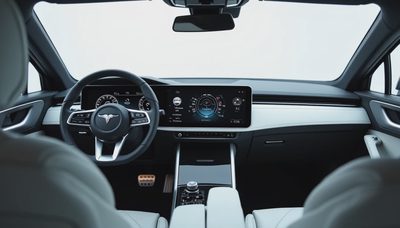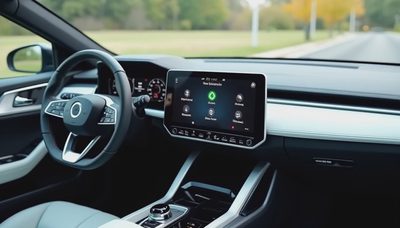
GM’s Software Ambition Is Bigger Than Its Dashboard Strategy
General Motors has made software a central pillar of its future strategy. The company frequently highlights over-the-air updates, Ultifi platform, and connected services as key differentiators. While improved infotainment and dashboard experiences are the most visible elements, GM’s real ambition extends much deeper into the vehicle architecture and business model.
Beyond the Screen

GM’s software efforts go well beyond prettier interfaces. The company is working toward a more centralized electrical architecture that supports broader over-the-air capabilities, including potential updates to safety and propulsion systems. This is part of a larger plan to transform vehicles into platforms capable of delivering ongoing value after the initial sale.
Ultifi represents GM’s attempt to create a unified software layer across its portfolio. The goal is to enable faster feature deployment, personalized experiences, and new subscription offerings. However, moving from dashboard-level updates to deeper vehicle system integration brings significant technical and regulatory challenges.
The Execution Gap
Many automakers talk about software-defined vehicles. GM is investing in the necessary building blocks: dedicated software teams, cloud infrastructure, and developer platforms. Yet turning ambition into reliable, profitable execution at scale remains difficult.
Key areas of focus include:
Expanding the scope and frequency of safe OTA updates
Building a developer ecosystem around GM’s platforms
Creating subscription features that customers actually value long-term
Maintaining cybersecurity and regulatory compliance across millions of vehicles
The gap between announced capabilities and widespread real-world deployment is where many software strategies have stumbled in the past.
Business Model Implications
Software is central to GM’s margin strategy. In an era of increasing hardware commoditization and EV transition costs, recurring revenue from connected services and subscriptions offers an attractive path to higher lifetime vehicle value.
However, success requires more than technical capability. It depends on sustained customer trust. Drivers must believe that software updates improve their vehicle rather than introduce bugs or unwanted changes. This trust is hard to earn and easy to lose with a single problematic update.
The hardware story and the margin story are not the same. Even with strong software ambitions, GM must still manage the cost and complexity of the underlying electronics while competing against both traditional automakers and tech-native players.
Competitive Context
GM’s approach sits between traditional OEMs and pure software companies. It leverages its manufacturing scale and dealer network while trying to move faster on software iteration. Partnerships with technology suppliers play an important role, but GM has signaled a desire for greater control over its software stack.
This balance — maintaining hardware leadership while building credible software differentiation — will define GM’s competitive position in the coming years.
What to Watch
Industry observers should track several practical indicators:
Actual adoption rates of GM’s subscription services
Frequency and scope of meaningful OTA updates
Progress on next-generation vehicle architectures
Customer feedback regarding software reliability and value
These metrics will reveal whether GM’s software strategy is delivering on its promises or remaining mostly aspirational.
The Practical Question
GM’s software ambition is serious and strategically important. However, delivering on that ambition requires more than updated dashboards and marketing language. It demands architectural changes, operational excellence, and the ability to earn recurring customer trust over a decade or more of vehicle ownership.
We will continue monitoring GM’s progress with focus on execution realities rather than strategic announcements. The companies that turn software vision into reliable, profitable reality will hold a meaningful advantage in the evolving automotive landscape.