
Why Automotive Software Margins Look Better on Slides Than on the Balance Sheet
Software is increasingly presented as the high-margin savior for traditional automakers facing thin hardware profits and heavy EV investment. Investor presentations regularly feature attractive software revenue forecasts and margin projections. In practice, turning those projections into sustainable, high-margin earnings has proven significantly more difficult.
The Promise Versus Reality
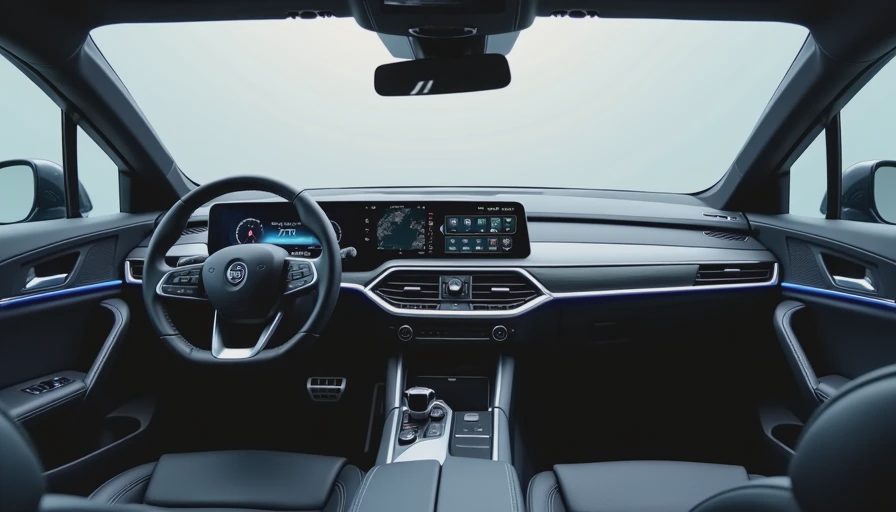
On paper, software offers compelling economics: near-zero marginal cost per additional user, recurring subscription revenue, and the ability to monetize vehicles long after the initial sale. Automakers highlight over-the-air updates, premium features, and connected services as key growth drivers.
However, delivering software at automotive scale introduces costs and complexities that rarely appear prominently in strategy decks. Development teams, cloud infrastructure, cybersecurity operations, regulatory compliance, and customer support all add meaningful expenses that scale with fleet size.
Execution Challenges
Creating compelling software features that customers are willing to pay for repeatedly is harder than many expected. While infotainment updates and basic connectivity features see decent adoption, premium autonomous capabilities and advanced convenience subscriptions face more resistance.
Core operational realities include:
High upfront investment in software platforms and OTA infrastructure
Ongoing costs to maintain compatibility across older and newer vehicle models
Customer acquisition and retention expenses for subscription services
Technical debt from supporting multiple hardware generations
These factors compress realized margins compared to initial forecasts.
The Trust and Adoption Hurdle
Even when features are delivered smoothly, automakers must overcome consumer skepticism toward subscription models for capabilities once included in the purchase price. This affects uptake rates and pricing power. A software margin strategy only works if enough customers see ongoing value and choose to pay year after year.
Additionally, poor execution — buggy updates, service outages, or perceived degradation of vehicle performance — can damage brand trust quickly and reduce willingness to subscribe in the future.
Competitive and Structural Pressures
Pure tech companies and newer EV entrants often operate with different cost structures and customer expectations around software. Traditional automakers must balance software ambitions with their existing hardware-focused organizations, dealer networks, and long product cycles.
This creates internal tension and slower decision-making compared to more agile players. The result is frequently slower feature velocity and higher relative costs.
What This Means for the Industry
Software will undoubtedly play a larger role in automotive profits going forward. However, the path to high-margin software businesses requires operational excellence that goes far beyond announcing new platforms. Companies that treat software as an afterthought to hardware sales will likely see disappointing returns.
Investors and industry professionals should look past headline margin targets and examine actual subscription attachment rates, churn, development spend as a percentage of revenue, and long-term support commitments.
The Practical Question
Automotive software margins look excellent in presentations because they focus on revenue upside while underweighting the full cost of delivery and support. The companies that succeed will be those that rigorously manage complexity, earn sustained customer trust, and align software investment with realistic adoption curves.
The hardware story and the margin story are not the same. Software offers real potential, but only for those who execute with discipline and patience.
Auto Stack Report will continue examining these cost curve dynamics as more automakers report their software revenue performance in coming quarters.