Android Automotive Is Winning Distribution. Carmakers Still Want Control
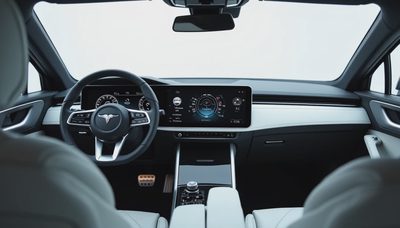
Google’s Android Automotive is gaining significant ground as the operating system of choice for many new vehicle infotainment and cockpit systems. Its presence across multiple automakers continues to grow, offering a familiar development environment and access to a broad app ecosystem. However, this expansion has not resolved the underlying tension: most carmakers want to maintain strong control over the driver experience and data.
The Rise of Android Automotive
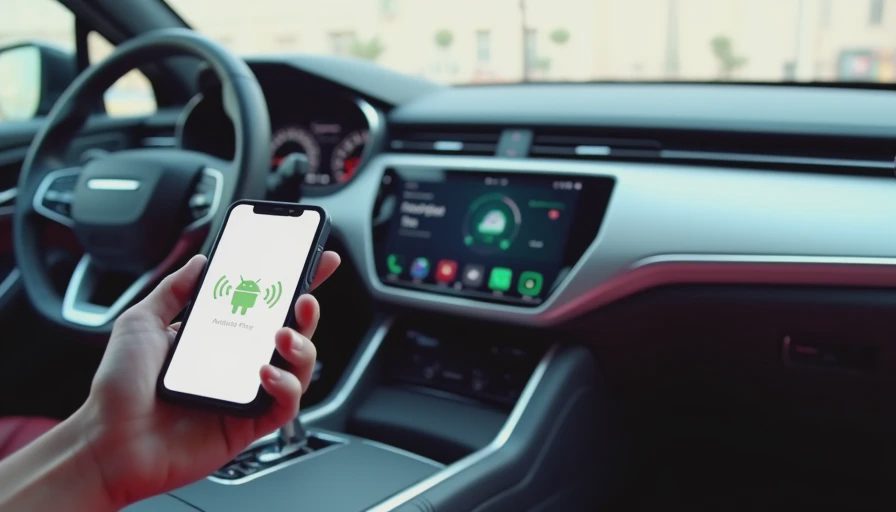
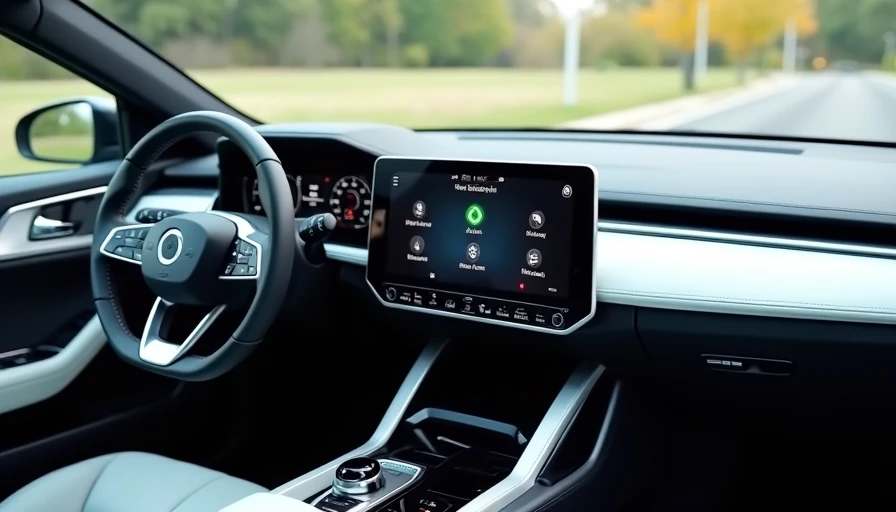
Android Automotive provides automakers with a mature, scalable platform that reduces some of the heavy lifting in building connected infotainment systems from scratch. It supports over-the-air updates, integrates well with smartphones, and offers access to Google services that many drivers already use daily.
Several major manufacturers have adopted it for new models, drawn by faster development cycles and lower initial platform costs compared to fully proprietary systems. For drivers, this often translates to smoother integration with Android phones and a more modern interface than older embedded systems.
The Control Tension
Despite the technical advantages, automakers are careful not to cede too much ground. Many implement Android Automotive with heavy customization layers, branded interfaces, and restricted access to core vehicle functions. The goal is to use Google’s OS as a foundation while preserving brand identity and collecting valuable in-vehicle data.
This creates a hybrid model: Android handles the lower-level OS and app framework, while the automaker maintains control over the cockpit UX, vehicle-specific features, and monetization opportunities.
Key areas of ongoing friction include:
User interface customization and brand differentiation
Access to vehicle data and control signals
Subscription and in-car commerce revenue opportunities
Long-term update responsibility and cybersecurity ownership
Business and Strategic Implications
For Google, wider distribution strengthens its position in the automotive software stack and creates new service revenue channels. For automakers, Android Automotive can accelerate software capability but risks turning the vehicle cockpit into a commoditized experience where Google holds significant influence.
This tension mirrors broader industry dynamics in software-defined vehicles. Carmakers want the benefits of standardized platforms without losing ownership of the customer relationship or recurring revenue potential.
The hardware story and the margin story are not the same. Relying on a third-party OS can reduce development costs, but it may limit differentiation and long-term margin control if customers associate the experience more with Google than with the vehicle brand.
What This Means for the Future
As Android Automotive expands, we are likely to see continued innovation in overlay interfaces and hybrid architectures. Some automakers may push harder for open-source alternatives or deeper customization, while others may accept greater integration in exchange for speed to market.
Drivers will ultimately judge these systems based on reliability, ease of use, and privacy handling rather than which company provides the underlying OS.
The Practical Question
Android Automotive is clearly winning on distribution and technical maturity. However, the real battle is over control of the user experience, data, and monetization. Carmakers that can leverage the platform’s strengths while preserving meaningful differentiation and ownership will be best positioned.
We will continue monitoring how this balance evolves across different brands and vehicle segments. The outcome will influence not just infotainment but the broader trajectory of software-defined vehicles.