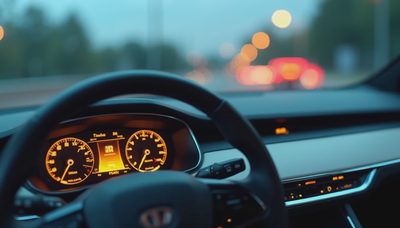
Self-driving cars have been the subject of breathless headlines for a decade. But as we move past the hype cycle, it’s time to weigh the actual pros and cons to self driving cars as they stand today. The technology has made undeniable strides—Waymo now operates commercial robotaxi services in multiple cities, and Tesla’s Full Self-Driving beta has logged millions of miles. Yet the path to full autonomy remains littered with technical, regulatory, and economic obstacles. For industry professionals and informed enthusiasts, the question isn’t whether autonomy will arrive—it’s when, at what cost, and with what trade-offs. This article breaks down the real benefits, the significant drawbacks, and where the industry is headed.

The Case for Autonomy: Safety, Efficiency, and Accessibility
The most frequently cited advantage of autonomous vehicles is safety. Human error accounts for roughly 94% of traffic crashes, according to NHTSA estimates. Self-driving systems don’t get distracted, drunk, or drowsy. That alone could save tens of thousands of lives annually in the U.S. alone. Companies like Waymo have published data showing their vehicles have a lower crash rate per mile than human drivers in the areas they operate. While these comparisons aren’t perfect—they often exclude certain types of incidents—the trend is promising.
Beyond safety, autonomy promises dramatic efficiency gains. Self-driving cars can optimize routes in real time, reduce traffic congestion through smoother driving patterns, and even cut fuel consumption by minimizing unnecessary braking and acceleration. For fleet operators, that translates into lower operating costs. And for passengers, it means reclaiming time spent behind the wheel—time that can be used for work, leisure, or sleep.
Accessibility is another key pro. For elderly individuals, people with disabilities, or those who cannot afford a car, robotaxis offer a new form of independent mobility. The potential to democratize transportation is one of the most compelling arguments in favor of the technology.
The Case Against: Safety Gaps, Job Loss, and Privacy Concerns
Now for the other side of the ledger. Despite the safety narrative, self-driving cars still struggle with edge cases—unexpected situations that pose no challenge to humans but can confuse sensors and algorithms. Systems like Tesla’s Autopilot have been involved in high-profile crashes, often because drivers over-relied on capabilities that are still limited. The fatality rate per mile for autonomous systems may be lower in some contexts, but it’s not zero, and any incident erodes public trust.
Job displacement is another major concern. Over 3 million Americans work as truck drivers, taxi drivers, and delivery drivers. While a full transition to autonomous fleets is years away, the prospect of mass job loss in those sectors is real. The economic disruption could be severe, especially in rural areas where trucking is a primary employer.
Privacy and security also weigh heavily. Self-driving cars generate terabytes of data—where you go, how fast, your routes, even video of your surroundings. That data is valuable to insurers, advertisers, and law enforcement. Without strong regulation, it could be misused. Plus, the risk of hacking is non-trivial. A compromised autonomous vehicle could be weaponized.
Where the Tech Stands Today: Level 2 vs. Level 4 Reality
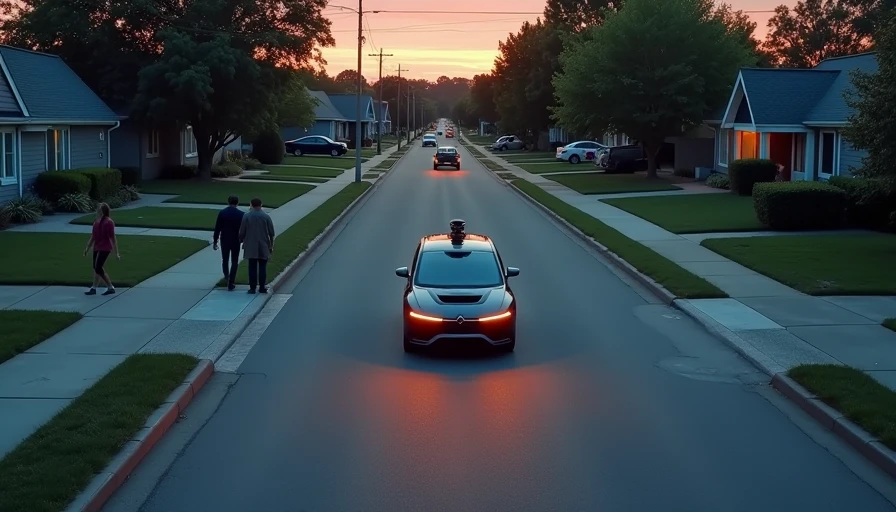
It’s important to distinguish between levels of autonomy. Most vehicles on the road today are Level 2—they combine adaptive cruise control and lane-keeping, but the human must monitor at all times. Only a few companies, like Waymo and Cruise, operate true Level 4 systems in limited geofenced areas. That’s a far cry from the robotaxi utopia promised a few years ago.
The hardware story and the margin story are not the same story. Developing L4 systems requires expensive sensor suites—LIDAR, high-resolution cameras, radar—that add thousands of dollars to each vehicle. Battery-electric robotaxis from Waymo cost over $100,000 apiece. Scaling that to millions of units will require massive cost reductions. Meanwhile, Tesla is betting on vision-only solutions, but the jury is out on whether that can achieve the safety thresholds required for full autonomy.
The Business Perspective: Who Wins and Who Loses?
From an industry lens, the pros and cons to self driving cars map directly to winners and losers. Automakers that successfully deploy L4 systems could capture huge margins from mobility services rather than one-time vehicle sales. But the investments are staggering—Waymo alone has spent billions. Tesla, GM, Ford, and others are pouring R&D into autonomy, but the returns are uncertain. Suppliers like Nvidia and Mobileye benefit from selling compute and sensor platforms regardless of who wins. On the losing side, legacy suppliers of mechanical parts may see demand shrink as software takes over.
The real question is whether the business model works. Robotaxis need to operate at high utilization to justify their cost. At current levels, it’s still unclear if the unit economics add up without government subsidies. The regulatory environment also varies by state, with California and Arizona being the most permissive while others remain cautious.
Conclusion: A Balanced Outlook
Self-driving cars are coming, but not tomorrow. The pros and cons to self driving cars are both significant, and the industry is still in the early innings of a long transformation. Safety gains could be enormous, but technical and social hurdles are real. For now, the most important takeaway is to separate real progress from marketing hype. Good demo, harder business. The technology will improve, but the timeline to widespread adoption is measured in decades, not years. Investors, suppliers, and consumers alike should keep their expectations grounded—and stay informed.