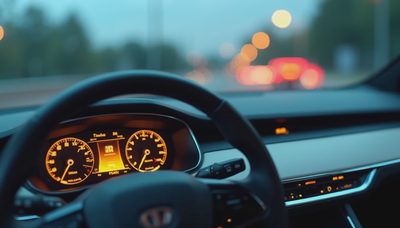
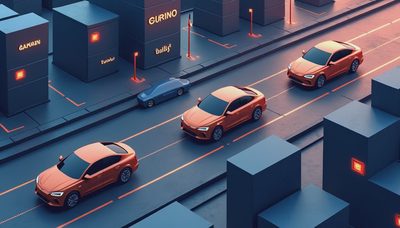
Autonomous vehicle technology is moving from sci-fi to driveway reality, and the conversation has shifted from "when will they arrive?" to "what do they actually deliver?" For US drivers and insurers alike, the **benefits of self driving cars** are becoming tangible—fewer crashes, lower premiums, and reclaimed time. But as with any transformative tech, the devil is in the deployment details. Here's a grounded look at what self-driving cars offer today and what the near future holds.
Safety First: How Autonomy Reduces Accidents
The most cited advantage is safety. According to NHTSA, over 90% of serious crashes involve human error—distraction, fatigue, impaired judgment. Self-driving systems eliminate those variables. Lidar, radar, and cameras provide 360-degree awareness that no human driver can match. Companies like Waymo and Cruise have logged millions of autonomous miles with a fraction of the at-fault incidents per mile compared to human drivers. For insurers, fewer accidents mean lower claim payouts, which translates to lower premiums for policyholders who adopt or share the road with autonomous vehicles. A 2022 study by the Insurance Institute for Highway Safety projected that widespread adoption of Level 4 autonomy could reduce crash frequency by up to 30%—a number that directly impacts your auto insurance bill.

Lower Insurance Costs: The Direct Financial Benefit
The **benefits of self driving cars** extend straight to your wallet. Autonomous vehicles are expected to have fewer accidents, so insurers can offer lower rates. Progressive and State Farm have already begun piloting usage-based policies for vehicles with advanced driver-assist systems. As autonomy moves from assisted (Level 2) to fully self-driving (Level 4/5), the risk profile shifts: the car—not the person—becomes the primary insured entity. This could lead to a new insurance model where manufacturers or software providers carry liability, removing personal premiums entirely. In the short term, drivers who own vehicles with robust autonomy features like Tesla's Full Self-Driving (beta) or Ford's BlueCruise may see discounts of 10–25% on their comprehensive coverage. The savings are real, but they depend on data proving the technology's reliability.
Time Saved and Productivity Gains
Beyond safety and insurance, one of the **benefits of self driving cars** is reclaiming the average 51 minutes Americans spend driving daily. When you no longer need to watch the road, that time becomes productive—or restful. Imagine catching up on emails, reading, or even sleeping during your commute. For rideshare services, autonomous fleets can operate without drivers, slashing ride costs by up to 70% according to some industry estimates. That's a direct economic benefit for everyone who relies on transportation. For insurers, the shift from personal to commercial policies for autonomous fleets creates new opportunities and underwriting challenges, but the net effect is a more efficient, less risky road ecosystem.

The Environmental and Societal Upside
Self-driving cars also bring environmental **benefits of self driving cars** through optimized driving patterns. Autonomous systems accelerate and brake smoothly, reducing fuel consumption by 15–20% compared to typical human driving. When combined with electric powertrains, the reduction in emissions is substantial. Additionally, autonomy enables car-sharing models that could reduce the number of vehicles on the road—fewer cars means less congestion and lower per-mile insurance costs. Municipalities like San Francisco and Phoenix have already seen this effect in early autonomous taxi deployments. Insurers are watching these trends to adjust risk models for shared, electric, and autonomous fleets.
What This Means for Your Auto Insurance Today
Even if you don't own a self-driving car, the **benefits of self driving cars** are beginning to influence your insurance landscape. As more autonomous vehicles hit the road, accident rates decline across the board, pushing premiums down for everyone. Insurers are actively investing in telematics and usage-based programs to capture data from advanced driver-assist systems. If your car has features like automatic emergency braking or lane-keeping assist, you may already qualify for a discount. The key is to ask your agent: "Does my policy reflect the safety tech in my car?" Many insurers don't advertise these discounts, but they exist. Over the next decade, the line between human-driven and autonomous will blur, and the insurance industry will evolve to reward the technology that makes roads safer.
How to Leverage These Benefits Today: A Practical Checklist
To start enjoying the **benefits of self driving cars** right now, follow this checklist:
- **Check your current policy** for any discounts related to advanced safety features. Call your insurer and ask specifically about autonomous or ADAS discounts.
- **Equip your next car with Level 2+ autonomy.** Models from Tesla, Ford, GM, and Mercedes offer systems that handle steering and speed on highways. These features can reduce your insurance risk profile.
- **Enroll in a usage-based insurance program.** Companies like Allstate and Progressive offer apps that track your driving habits. If your car has adaptive cruise control and lane centering, your scores will improve.
- **Stay informed on state regulations.** Some states like Arizona and California have clearer liability frameworks for autonomous vehicles, which can affect insurance pricing.
- **Consider rideshare alternatives.** Using autonomous taxi services like Waymo One can lower your personal miles driven, potentially reducing your premiums.
In summary, the **benefits of self driving cars** are multifaceted—safety, cost savings, time, and environmental gains. While full autonomy is still on the horizon, the early returns are promising. For drivers and insurers alike, the smart bet is to pay attention, adopt safety features now, and reap the rewards as the technology matures.