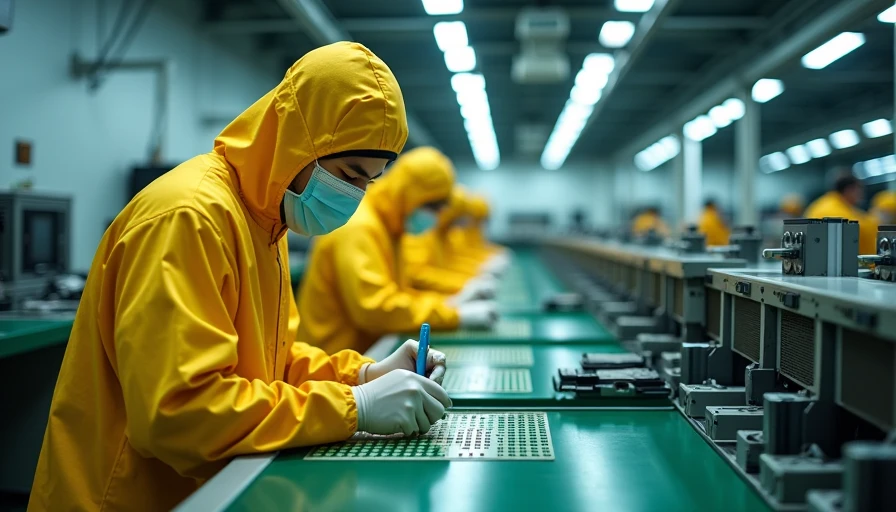
The pace of automotive chips news today is relentless. Every week brings fresh announcements from chipmakers, new supply agreements between automakers and foundries, and strategic shifts that ripple through the entire mobility ecosystem. Understanding what these developments mean — not just the press release, but the business consequence — is essential for anyone following the future of cars. Whether you are an investor, an engineer, or just a car-tech enthusiast, the semiconductor story is the foundation of everything from autonomy to over-the-air updates.
The Latest From Nvidia and Qualcomm
Nvidia remains the headline-grabbing name in automotive silicon. Its DRIVE Thor platform, announced as a successor to Orin, promises 2,000 TOPS of performance — enough to handle both advanced driver assistance and in-cabin AI simultaneously. The real question is whether this scales. Automakers like Mercedes-Benz and Volvo already use Nvidia hardware, but the cost and complexity of integrating a chip that powerful into a vehicle that must survive 10 years of field use is a different engineering challenge from a data-center GPU.
Qualcomm, meanwhile, is making steady gains with its Snapdragon Ride Flex SoC. The company has been aggressive in pitching to automakers as a more integrated alternative to Nvidia’s discrete approach. Recent wins include BMW and GM, both of which have committed to Qualcomm silicon for select models. The hardware story and the margin story are not the same story, however. While Qualcomm undercuts Nvidia on unit price, automakers still face significant software development costs to actually use those chip capabilities.
Supply Chain Constraints Are Easing, but Not Gone
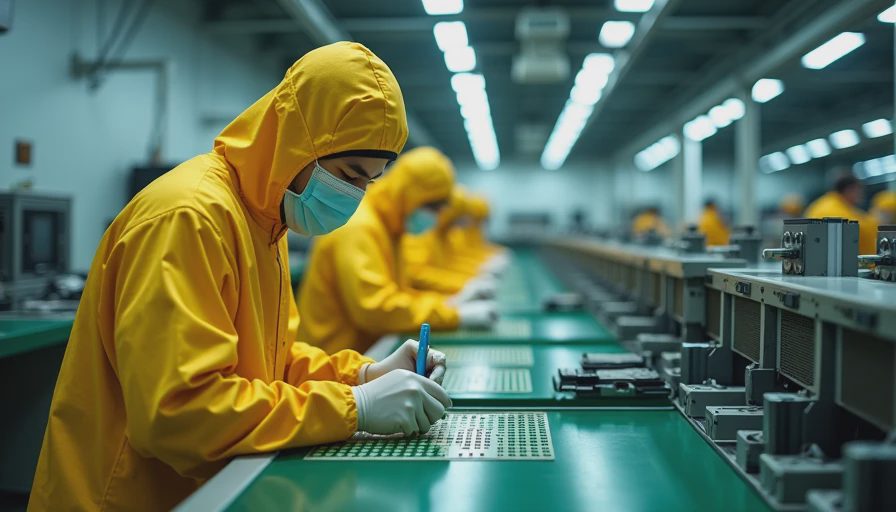
A major theme in automotive chips news today is the gradual normalization of chip supply — but with caveats. The semiconductor shortage that began in 2020 forced many automakers to idle factories and rethink their procurement strategies. Today, lead times for most standard chips (MCUs, power management ICs) have dropped to near pre-pandemic levels. But specialty chips — particularly those for autonomous driving and high-performance computing — remain tight. TSMC’s Arizona fab, initially delayed, is now expected to produce automotive-grade 5nm chips by late 2025, but volume is still uncertain.
Automakers are also learning hard lessons about single-source dependency. Toyota, which weathered the shortage better than most, did so in part by stockpiling chips and demanding a two-year supply from suppliers. Others are now requiring their Tier-1 partners to maintain buffer inventory. The trend toward direct negotiations between automakers and foundries, bypassing traditional chip distributors, is accelerating.
Why Custom Silicon Is the Next Battleground
Even as standard automotive chips become more available, the strategic race is toward custom silicon. Tesla blazed this trail years ago with its own FSD chip, and now others are following. Rivian has hired a chip design team, GM is partnering with Qualcomm and others on custom compute modules, and even traditional OEMs like Volkswagen are announcing in-house chip plans through its Cariad software unit.
The rationale is clear: off-the-shelf chips force automakers to plan around a vendor’s roadmap. Custom silicon allows tighter integration between hardware and software, potentially reducing power consumption and cost over the vehicle’s life. But developing a modern automotive SoC costs hundreds of millions of dollars, and only the largest automakers can afford that bet. A good demo, harder business — that’s the crux of custom silicon today.

How Chips Define the Software-Defined Vehicle
The phrase "software-defined vehicle" gets thrown around a lot, but the reality is that the hardware beneath it determines which software features can even run. As we see from automotive chips news today, the compute architecture is shifting from dozens of distributed ECUs to a few domain controllers or even a central brain. This consolidation demands chips with massive parallel processing capabilities and robust safety certifications.
One emerging trend is the use of chiplet designs — essentially building a larger processor by combining smaller dies. This approach allows automakers to mix-and-match compute elements from different suppliers (e.g., an AI accelerator from Nvidia, a communications chip from Qualcomm) on a single package. Startups like SiPearl and established players like AMD are betting on this concept, but the automotive adoption cycle is measured in years, not quarters.
What This Means for Investors and Automakers
If you are an investor trying to parse automotive chips news today, the key is to separate hype from actual procurement decisions. Nvidia’s automotive revenue, while growing, is still a tiny fraction of its data-center business — and that won’t change unless automakers actually ship cars with Thor in high volume. Qualcomm has a more realistic path to share growth in the lower- to mid-tier ADAS segment, where automakers care more about cost than teraflops.
For automakers, the main takeaway is that chip strategy is now a core business function, not just a procurement line item. The winners will be those that lock in long-term supply agreements while investing in the software talent to actually exploit the silicon. The losers will be those that treat the chip department as a cost center and rely on last-minute spot buys.
Looking Ahead: What to Watch in Automotive Chips News Today
Over the next six months, I am watching three things. First, whether Nvidia can convert its design wins into production-vehicle launches on schedule — any delay chips away at its credibility in automotive. Second, the impact of the CHIPS Act funding on automotive-grade fab capacity in the U.S.; concrete allocations to TSMC and Samsung will matter more than policy announcements. Third, the emergence of RISC-V cores in automotive applications — several startups are promoting open-source instruction sets as a way to reduce licensing costs, but functional safety certification remains a hurdle.
Automotive chips news today is dense, but the core story is straightforward: the industry is finally treating semiconductors as a strategic asset, not a commodity. That shift will define which companies thrive in the electric, autonomous, and software-defined era.